
India's trade ban will affect the supply of many goods to Pakistan
05-May-2025 11:47 AM
New Delhi. Pakistan is likely to suffer significant economic losses following the Indian government's decision to end trade relations and impose a complete ban on export and import activities with the country.
Notably, in 2019, after the Pulwama terrorist attack, India had already imposed a heavy import duty of 200 percent on Pakistani goods, leading to a steep decline in imports from Pakistan.
Between April 2024 and January 2025, imports from Pakistan had already dwindled to just 4.20 lakh dollars and remained very limited thereafter.
The Central Government has now issued a fresh notification, placing an immediate ban on the import of all goods either originating from or routed through Pakistan.
This includes a ban on all Pakistani-flagged ships docking at Indian ports, the complete closure of the Wagah-Attari border, and the restriction of Indian airspace for Pakistani carriers.
India’s imports from Pakistan, already minimal, had come down to around 5 lakh dollars annually. With the new directive, they are expected to drop to zero.
Imports such as rock salt and certain dry fruits from Pakistan will be affected. Additionally, Indian exports to Pakistan will cease entirely.
Trade analysts suggest that while this move will have little impact on India's economy, which has not depended on Pakistani imports for some time, it sends a strong political and economic message to Pakistan, likely exacerbating its economic challenges.
Although direct trade between the two nations has been almost negligible, indirect trade has persisted. According to industry observers, India exports goods worth around 10 billion dollars to Pakistan annually through third countries such as Dubai, Singapore, and Colombo.
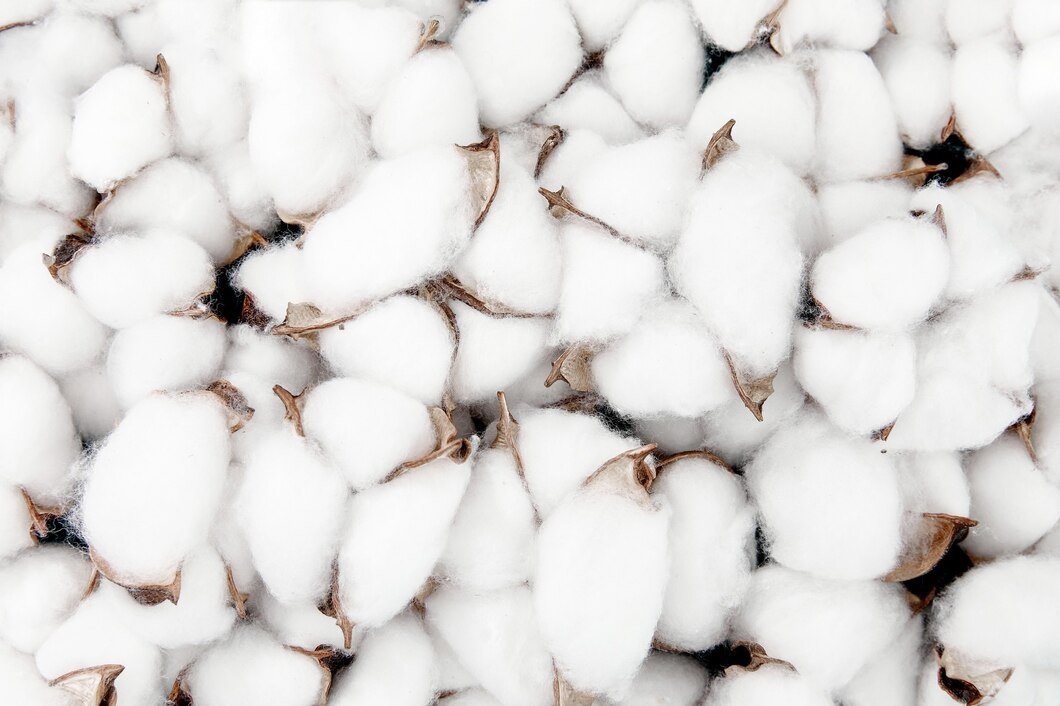
These re-exported goods include cotton, organic chemicals, spices, pharmaceuticals, plastic products, and dairy items.
The current situation raises questions about how Indian exporters will approach trade with Pakistan through these indirect channels going forward.